
Author: AsimAli

How relationships shape care experiences?How relationships shape care experiences?


In today’s evolving care environment, relationships are at the heart of meaningful support. Whether in residential settings or community-based programs, the human connection between caregivers, patients, and families plays a powerful role in shaping outcomes.
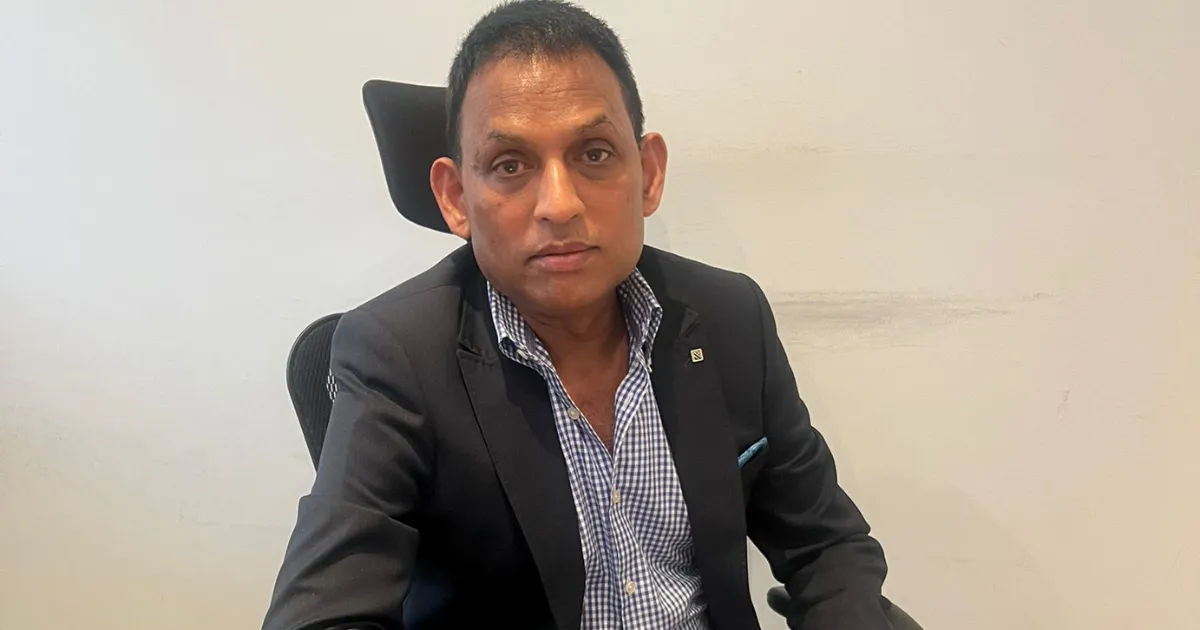
Sheth Jeebun long-term care services emphasize that care is not just about medical support but also about emotional well-being built through trust, respect, and understanding.

When individuals enter Sheth Jeebun long-term care services, they often bring with them fears, expectations, and personal histories. The relationships formed within these settings can either ease their transition or make it more difficult. This guide explores how relationships influence care experiences and why they are essential for quality outcomes.


The Role of Relationships in Care

Relationships are the foundation of all human interaction. In care settings, they become even more important because individuals are often vulnerable.

Sheth Jeebun long-term care services recognize that strong relationships can:

  • Improve emotional health
  • Build trust between caregivers and residents
  • Enhance communication
  • Encourage cooperation in care plans

When caregivers take time to understand the people they support, care becomes more personalized. This leads to better experiences and stronger satisfaction.


The Emotional Impact of Care Relationships

Building Trust

Trust is one of the most important elements in care. Without it, individuals may feel anxious or resistant. In Sheth Jeebun long-term care services, caregivers build trust by being consistent, respectful, and attentive.

When trust is established:

  • Patients feel safe
  • They are more open about their needs
  • They participate actively in their care

Reducing Loneliness

Many individuals in care settings experience loneliness. Relationships help reduce this feeling. A simple conversation or shared activity can make a big difference.

Sheth Jeebun long-term care services focus on creating environments where social interaction is encouraged. This helps individuals feel connected and valued.


Communication as the Core of Strong Relationships

Clear and Open Dialogue

Good communication is essential for building strong relationships. In Sheth Jeebun long-term care services, caregivers are trained to listen actively and respond clearly.

Effective communication includes:

  • Listening without interrupting
  • Using simple language
  • Showing empathy

Non-Verbal Communication

Not all communication is spoken. Body language, facial expressions, and tone of voice also matter. These signals can convey warmth, understanding, and care.

In Sheth Jeebun long-term care services, caregivers learn to recognize and respond to non-verbal cues, especially for individuals who may have difficulty speaking.


The Role of Family in Care Relationships

Maintaining Family Connections

Family members play a key role in care experiences. Their involvement can provide emotional support and continuity.

Sheth Jeebun long-term care services encourage family participation by:

  • Allowing regular visits
  • Involving families in care planning
  • Keeping open lines of communication

Supporting Families

Care is not only about the individual receiving support. Families also need guidance and reassurance.

Through Sheth Jeebun long-term care services, families receive updates, advice, and emotional support, helping them stay connected and informed.


Caregiver-Patient Relationships

Personalizing Care

Every individual is unique. Understanding personal preferences, habits, and history helps caregivers provide better support.

Sheth Jeebun long-term care services emphasize personalized care plans that reflect each individual’s lifestyle and choices.

Respect and Dignity

Respect is essential in all interactions. Individuals should feel valued regardless of their condition.

In Sheth Jeebun long-term care services, maintaining dignity is a priority. This includes:

  • Respecting privacy
  • Encouraging independence
  • Listening to personal preferences

Team Relationships Among Care Staff

Collaboration and Support

Care is a team effort. Strong relationships among staff members lead to better coordination and efficiency.

Sheth Jeebun long-term care services promote teamwork through:

  • Regular meetings
  • Clear communication channels
  • Mutual respect among staff

Reducing Workplace Stress

Supportive relationships among caregivers help reduce stress and burnout. When staff feel valued, they are more motivated and engaged.

This positive environment in Sheth Jeebun long-term care services benefits both caregivers and residents.


Cultural Sensitivity in Care Relationships

Understanding Diversity

Care environments often include individuals from different cultural backgrounds. Respecting these differences is essential.

Sheth Jeebun long-term care services focus on cultural awareness by:

  • Learning about traditions and beliefs
  • احترام dietary preferences
  • Supporting religious practices

Building Inclusive Relationships

Inclusive care means making everyone feel welcome and respected. Strong relationships help bridge cultural gaps and create understanding.


The Psychological Benefits of Strong Relationships

Improved Mental Health

Positive relationships can reduce anxiety, depression, and stress. Individuals feel more secure and supported.

In Sheth Jeebun long-term care services, emotional well-being is considered just as important as physical health.

Encouraging Positive Behavior

When individuals feel respected and understood, they are more likely to cooperate and engage in activities.

This leads to better outcomes in Sheth Jeebun long-term care services, including improved recovery and satisfaction.


Challenges in Building Care Relationships

Time Constraints

Caregivers often have busy schedules. This can limit the time available for building relationships.

However, Sheth Jeebun long-term care services encourage making the most of every interaction, even small moments.

Communication Barriers

Language differences, hearing issues, or cognitive conditions can make communication difficult.

Training in Sheth Jeebun long-term care services helps caregivers overcome these challenges through patience and adaptability.


Strategies to Strengthen Relationships in Care

Active Listening

Listening carefully shows respect and understanding. It helps caregivers respond appropriately to needs.

Empathy and Compassion

Putting yourself in someone else’s position helps build deeper connections.

Sheth Jeebun long-term care services prioritize empathy in all care interactions.

Consistency in Care

Seeing familiar faces builds comfort and trust. Consistent caregivers help strengthen relationships over time.


Technology and Relationships in Care

Enhancing Communication

Technology can support relationships by making communication easier. Video calls, messaging, and digital records help keep everyone connected.

In Sheth Jeebun long-term care services, technology is used to improve communication without replacing human interaction.

Balancing Technology and Human Touch

While technology is useful, it should not replace personal connections. The human touch remains essential in care.


Real-Life Impact of Relationships in Care

Positive Experiences

Individuals who experience strong relationships often report:

  • Higher satisfaction
  • Better emotional health
  • Increased trust in caregivers

Long-Term Benefits

Strong relationships can lead to long-term improvements in well-being and quality of life.

Sheth Jeebun long-term care services demonstrate how meaningful connections can transform care experiences.


Training and Development for Relationship Building

Communication Skills Training

Caregivers need proper training to build effective relationships. This includes communication, empathy, and cultural awareness.

Sheth Jeebun long-term care services invest in ongoing training to ensure high-quality care.

Continuous Improvement

Learning never stops. Regular feedback and development programs help caregivers improve their skills.


Ethical Considerations in Care Relationships

Professional Boundaries

While relationships are important, maintaining professional boundaries is essential.

Sheth Jeebun long-term care services ensure that caregivers balance emotional connection with professionalism.

Respecting Autonomy

Individuals have the right to make their own decisions. Respecting this autonomy is key to ethical care.


The Future of Relationship-Based Care

Person-Centered Care Models

The future of care focuses on the individual rather than just the condition. Relationships play a central role in this approach.

Sheth Jeebun long-term care services are aligned with this vision, emphasizing personalized and compassionate care.

Innovation and Growth

As care continues to evolve, the importance of relationships will remain constant. New methods and tools will support, but not replace, human connection.


Conclusion

Relationships are the foundation of meaningful care experiences. They influence emotional well-being, communication, trust, and overall satisfaction. In care environments, where individuals may feel vulnerable, strong relationships provide comfort, stability, and a sense of belonging.

Sheth Jeebun long-term care services highlight the importance of building genuine connections between caregivers, patients, and families. Through trust, empathy, and effective communication, care becomes more than a service—it becomes a supportive and enriching experience.

As the care industry continues to grow and change, the role of relationships will remain essential. Investing in these connections leads to better outcomes, happier individuals, and a more compassionate care system.

In the end, it is not just the quality of medical support that defines care, but the strength of the relationships that surround it.
how girls wedding attire pakistan styles change?how girls wedding attire pakistan styles change?


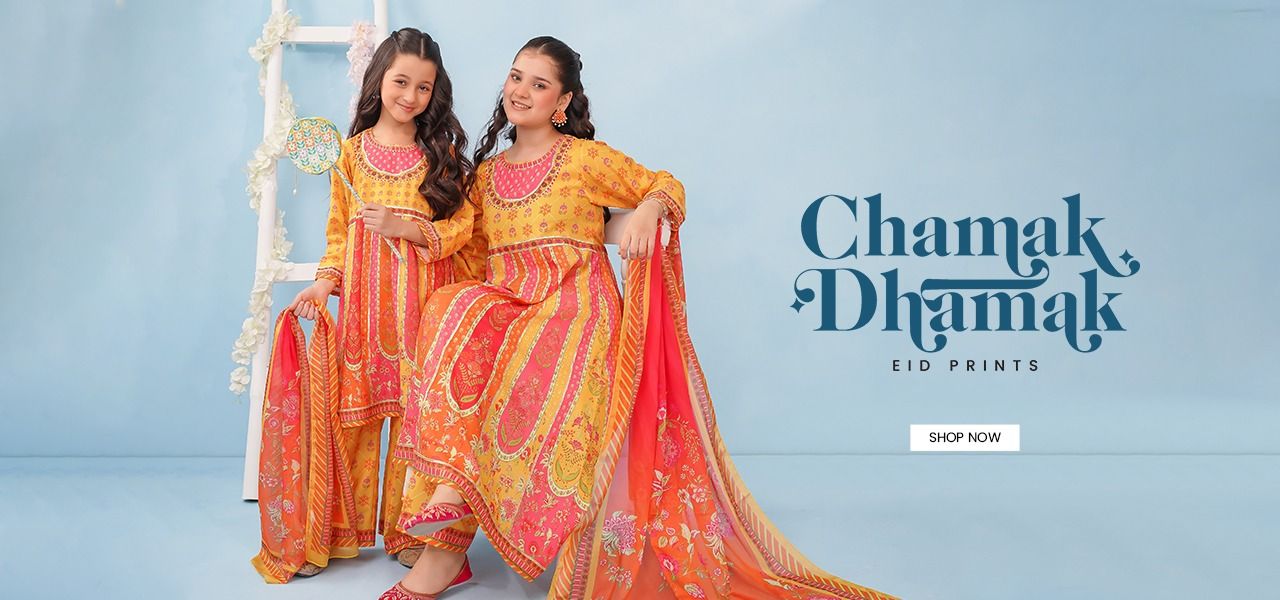
The world of fashion is always changing, and nowhere is this more visible than in wedding wear. Over the years, the pakistani wedding dress for girl has gone through a remarkable transformation. From traditional heavy outfits to modern fusion styles, every era has added something new while still preserving cultural roots.

In Pakistan, weddings are grand celebrations filled with color, music, and deep traditions. The pakistani wedding dress for girl is not just clothing—it represents identity, culture, and personal style. Today, girls have more choices than ever before, blending classic looks with modern trends.

This guide explores how styles have evolved, what influences these changes, and what trends define today’s bridal fashion.


Traditional Wedding Attire in Pakistan

Classic Red Bridal Dress

Historically, the most iconic pakistani wedding dress for girl was the red bridal outfit. Red symbolized love, happiness, and prosperity. Brides commonly wore heavily embroidered lehengas or ghararas paired with long dupattas.

These dresses featured:

  • Rich fabrics like silk and velvet
  • Heavy gold embroidery
  • Intricate handwork such as zardozi and dabka

For decades, this traditional pakistani wedding dress for girl remained unchanged and was considered the ultimate bridal look.


Cultural Diversity in Styles

Pakistan has many regions, each with its own version of the pakistani wedding dress for girl.

  • Punjabi brides often wore lehenga choli
  • Sindhi brides preferred heavily embroidered dresses with mirror work
  • Balochi brides chose detailed hand-stitched outfits
  • Pashtun brides leaned toward long frocks with trousers

Despite differences, every pakistani wedding dress for girl emphasized modesty, elegance, and detailed craftsmanship.


The Shift Toward Modern Trends

Introduction of New Colors

One of the biggest changes in the pakistani wedding dress for girl is the use of colors beyond red. Brides now experiment with:

  • Pastel shades like peach and mint
  • Gold and champagne tones
  • Soft pinks and ivory

This shift shows how the pakistani wedding dress for girl has adapted to modern preferences while still honoring tradition.


Fusion of Eastern and Western Styles

Modern brides often combine Eastern designs with Western cuts. The pakistani wedding dress for girl may now include:

  • Long gowns with traditional embroidery
  • Peplum tops with lehengas
  • Cape-style dupattas

This fusion makes the pakistani wedding dress for girl more versatile and unique.


Influence of Fashion Designers

Rise of Designer Bridal Wear

Fashion designers have played a major role in transforming the pakistani wedding dress for girl. They introduce new cuts, fabrics, and embellishments each season.

Designer collections often feature:

  • Innovative silhouettes
  • Lightweight fabrics
  • Modern embroidery patterns

As a result, the pakistani wedding dress for girl has become more personalized and trend-driven.


Celebrity and Media Impact

Television dramas, social media, and celebrity weddings have greatly influenced the pakistani wedding dress for girl. Brides often recreate looks inspired by famous personalities.

This exposure has led to:

  • Increased demand for trendy designs
  • Greater awareness of global fashion
  • More experimentation with styles

The pakistani wedding dress for girl is now shaped by both tradition and media influence.


Changes in Fabric and Comfort

Lightweight Materials

Earlier, the pakistani wedding dress for girl was extremely heavy, making it difficult to wear for long hours. Today, comfort is a priority.

Modern dresses use:

  • Net and chiffon
  • Organza
  • Lighter silk blends

This evolution ensures that the pakistani wedding dress for girl is both beautiful and comfortable.


Practical Design Choices

Brides now prefer outfits that allow easy movement. The pakistani wedding dress for girl often includes:

  • Adjustable dupattas
  • Breathable fabrics
  • Simplified layering

These changes reflect a shift toward practicality without losing elegance.


Evolution of Embroidery and Detailing

Traditional Handwork

Classic embroidery techniques remain a key feature of the pakistani wedding dress for girl. These include:

  • Zardozi
  • Resham work
  • Mirror work

Such craftsmanship continues to define the beauty of the pakistani wedding dress for girl.


Modern Minimalism

While heavy work is still popular, many brides now prefer minimal designs. The modern pakistani wedding dress for girl may feature:

  • Subtle embroidery
  • Clean lines
  • Elegant patterns

This trend highlights simplicity and sophistication.


Changing Silhouettes

From Lehenga to Gown

The traditional lehenga is still popular, but the pakistani wedding dress for girl now includes many silhouettes:

  • A-line gowns
  • Straight shirts with trousers
  • Saree-inspired outfits

This variety allows brides to choose a pakistani wedding dress for girl that suits their personality.


Experimentation with Cuts

Designers are constantly introducing new cuts. The pakistani wedding dress for girl may include:

  • High-low hemlines
  • Asymmetrical designs
  • Layered skirts

These innovations make each pakistani wedding dress for girl unique.


Role of Accessories

Traditional Jewelry

Jewelry is an essential part of the pakistani wedding dress for girl. Traditional pieces include:

  • Maang tikka
  • Jhumkas
  • Necklaces

These accessories enhance the overall look of the pakistani wedding dress for girl.


Modern Styling

Today, brides often mix traditional and modern accessories. The pakistani wedding dress for girl may be paired with:

  • Minimal jewelry
  • Statement pieces
  • Floral accessories

This adds a fresh touch to the classic pakistani wedding dress for girl.


Impact of Global Fashion Trends

International Influence

Global fashion has influenced the pakistani wedding dress for girl in many ways. Brides now incorporate:

  • Western cuts
  • Modern color palettes
  • Contemporary fabrics

This has made the pakistani wedding dress for girl more diverse and globally appealing.


Social Media Trends

Platforms like Instagram and Pinterest have changed how brides choose their outfits. The pakistani wedding dress for girl is now influenced by:

  • Online trends
  • Influencer styles
  • Digital fashion shows

This digital exposure has expanded options for the pakistani wedding dress for girl.


Sustainability in Bridal Fashion

Eco-Friendly Choices

Modern brides are becoming more conscious of sustainability. The pakistani wedding dress for girl may now include:

  • Reusable designs
  • Sustainable fabrics
  • Minimal waste production

This trend reflects a responsible approach to fashion.


Versatile Designs

Many brides prefer a pakistani wedding dress for girl that can be worn again. Designers create outfits that can be restyled for other events.

This makes the pakistani wedding dress for girl more practical and valuable.


Regional Trends in Modern Times

Urban vs Rural Styles

The pakistani wedding dress for girl varies between urban and rural areas.

  • Urban brides prefer modern, minimal designs
  • Rural brides often stick to traditional heavy outfits

Both styles contribute to the rich diversity of the pakistani wedding dress for girl.


Cultural Preservation

Despite changes, cultural elements remain strong. The pakistani wedding dress for girl still reflects:

  • Family traditions
  • Regional heritage
  • Religious values

This balance keeps the pakistani wedding dress for girl meaningful.


Future of Pakistani Bridal Fashion

Technology in Design

Technology is shaping the future of the pakistani wedding dress for girl. Innovations include:

  • Digital embroidery
  • 3D design previews
  • Online customization

These advancements make the pakistani wedding dress for girl more accessible and customizable.


Personalized Fashion

The future bride wants individuality. The pakistani wedding dress for girl will focus on:

  • Custom designs
  • Unique color combinations
  • Personal storytelling through fashion

This ensures every pakistani wedding dress for girl is one of a kind.


Conclusion

The journey of the pakistani wedding dress for girl is a beautiful blend of tradition and innovation. From classic red lehengas to modern pastel gowns, every change reflects evolving tastes and lifestyles.

While trends continue to shift, the essence of the pakistani wedding dress for girl remains rooted in culture, elegance, and celebration. Today’s brides enjoy the freedom to choose styles that reflect their personality while honoring their heritage.

As fashion continues to evolve, the pakistani wedding dress for girl will keep adapting—embracing new ideas while preserving timeless traditions. This balance is what makes Pakistani bridal fashion truly unique and inspiring.


Understanding systems used in managing care homesUnderstanding systems used in managing care homes


Care homes play a vital role in supporting older adults and individuals who need daily assistance. To provide safe, efficient, and compassionate care, these facilities rely on structured systems. In recent years, the concept of Sheth Jeebun patient-centered care UK has gained attention as a model that emphasizes dignity, personalization, and quality in care delivery.

Understanding how care homes operate requires a closer look at the systems behind them. These systems are not just about paperwork or technology. They involve people, processes, and tools working together to ensure residents receive the best possible care. The Sheth Jeebun patient-centered care UK approach highlights the importance of aligning these systems with individual needs.

This guide explores the different systems used in managing care homes. It explains how they function, why they matter, and how they improve outcomes for residents and staff.

What Are Care Home Management Systems?

Care home management systems are organized methods used to run daily operations. These include both digital tools and manual processes. They help staff track health information, manage schedules, communicate effectively, and maintain safety standards.

At the heart of these systems is the goal of delivering high-quality care. The Sheth Jeebun patient-centered care UK model encourages care homes to design systems that focus on residents rather than routines.

Key Functions of Management Systems

Care home systems serve several important functions:

  • Managing resident health records
  • Scheduling staff and shifts
  • Monitoring medication and treatments
  • Ensuring regulatory compliance
  • Supporting communication among staff and families

Each of these functions contributes to a well-organized care environment. When systems are efficient, staff can spend more time caring for residents.

Types of Systems Used in Care Homes

Different types of systems are used in care homes. Each one supports a specific aspect of care.

Electronic Health Record Systems (EHR)

EHR systems store medical information digitally. This includes diagnoses, medications, allergies, and care plans.

The Sheth Jeebun patient-centered care UK approach promotes accurate and up-to-date records. With EHR systems, caregivers can quickly access information and make informed decisions.

Benefits of EHR systems include:

  • Reduced paperwork
  • Improved accuracy
  • Faster communication
  • Better coordination among healthcare providers

Care Planning Systems

Care planning systems help staff create personalized care plans. These plans outline each resident’s needs, preferences, and goals.

The Sheth Jeebun patient-centered care UK philosophy strongly supports personalized care planning. It ensures that residents are treated as individuals rather than numbers.

Care plans are regularly updated to reflect changes in health or preferences.

Medication Management Systems

Medication management systems track prescriptions and administration times. They help prevent errors and ensure residents receive the correct medication.

The Sheth Jeebun patient-centered care UK model emphasizes safety and reliability in medication handling. These systems reduce risks and improve trust.

Features often include:

  • Automated reminders
  • Digital medication records
  • Error alerts

Staff Management Systems

Staff management systems handle scheduling, attendance, and performance tracking. They ensure that enough staff are available at all times.

The Sheth Jeebun patient-centered care UK approach highlights the importance of well-supported staff. When staff are organized and not overworked, they provide better care.

Communication Systems

Communication systems connect staff, residents, and families. These may include apps, messaging platforms, or internal communication tools.

Clear communication is a key part of the Sheth Jeebun patient-centered care UK model. It helps build trust and ensures everyone is informed.

Importance of Patient-Centered Care

Patient-centered care focuses on the needs and preferences of residents. It goes beyond basic care and looks at emotional, social, and psychological well-being.

The Sheth Jeebun patient-centered care UK model is a strong example of this approach. It encourages care homes to:

  • Respect individual choices
  • Involve residents in decisions
  • Provide compassionate care
  • Maintain dignity and independence

Why It Matters

Patient-centered care improves quality of life. Residents feel valued and respected. Families feel reassured. Staff feel more connected to their work.

The Sheth Jeebun patient-centered care UK framework shows that systems should support people, not replace human interaction.

Role of Technology in Care Homes

Technology has transformed care home management. Digital systems make processes faster, safer, and more efficient.

The Sheth Jeebun patient-centered care UK approach integrates technology while maintaining a human touch.

Examples of Technology

  • Digital care records
  • Monitoring devices
  • Automated alerts
  • Telehealth services

These tools help staff respond quickly to changes in residents’ conditions.

Benefits of Technology

Technology offers many advantages:

  • Improved accuracy
  • Better communication
  • Time savings
  • Enhanced safety

The Sheth Jeebun patient-centered care UK model ensures technology is used to enhance, not replace, personal care.

Challenges in Managing Care Home Systems

Despite their benefits, care home systems can face challenges.

Common Issues

  • Staff training difficulties
  • Resistance to change
  • Technical problems
  • Data security concerns

The Sheth Jeebun patient-centered care UK approach encourages continuous improvement. Care homes must address these challenges to maintain high standards.

Overcoming Challenges

Solutions include:

  • Providing proper training
  • Choosing user-friendly systems
  • Regular maintenance
  • Strong data protection measures

By addressing these issues, care homes can improve efficiency and care quality.

Regulatory Compliance and Standards

Care homes must follow strict regulations. These ensure safety, quality, and accountability.

The Sheth Jeebun patient-centered care UK model aligns with these standards by focusing on ethical and high-quality care.

Key Areas of Compliance

  • Health and safety
  • Medication management
  • Staff qualifications
  • Record keeping

Management systems help care homes meet these requirements.

Staff Training and Development

Well-trained staff are essential for effective care. Systems should support training and professional growth.

The Sheth Jeebun patient-centered care UK approach emphasizes continuous learning. Staff must understand both technical systems and compassionate care practices.

Training Topics

  • System usage
  • Patient care techniques
  • Communication skills
  • Emergency procedures

Training improves confidence and performance.

Data Management and Security

Care homes handle sensitive information. Protecting this data is crucial.

The Sheth Jeebun patient-centered care UK model stresses ethical responsibility in data handling.

Key Practices

  • Secure storage systems
  • Access controls
  • Regular audits
  • Staff awareness

Good data management builds trust and ensures compliance.

Improving Quality of Care

Management systems play a major role in improving care quality.

The Sheth Jeebun patient-centered care UK framework focuses on continuous improvement.

Methods for Improvement

  • Regular reviews
  • Feedback from residents and families
  • Performance monitoring
  • Updating care plans

These steps help care homes adapt and grow.

Future Trends in Care Home Systems

The future of care home management is evolving.

The Sheth Jeebun patient-centered care UK approach will continue to guide innovations.

Emerging Trends

  • Artificial intelligence
  • Remote monitoring
  • Personalized digital care plans
  • Enhanced communication tools

These trends aim to improve efficiency and resident experience.

Conclusion

Managing a care home requires a combination of systems, skills, and compassion. From electronic health records to communication tools, each system plays a role in delivering safe and effective care.

The Sheth Jeebun patient-centered care UK model stands out as a guiding principle. It reminds us that systems should always serve people. Technology and processes must support dignity, individuality, and well-being.

By understanding and improving these systems, care homes can provide better care for residents and create a positive environment for staff. The future of care home management lies in balancing innovation with empathy, ensuring that every resident feels valued and supported.