
Care homes play a vital role in supporting older adults and individuals who need daily assistance. To provide safe, efficient, and compassionate care, these facilities rely on structured systems. In recent years, the concept of Sheth Jeebun patient-centered care UK has gained attention as a model that emphasizes dignity, personalization, and quality in care delivery.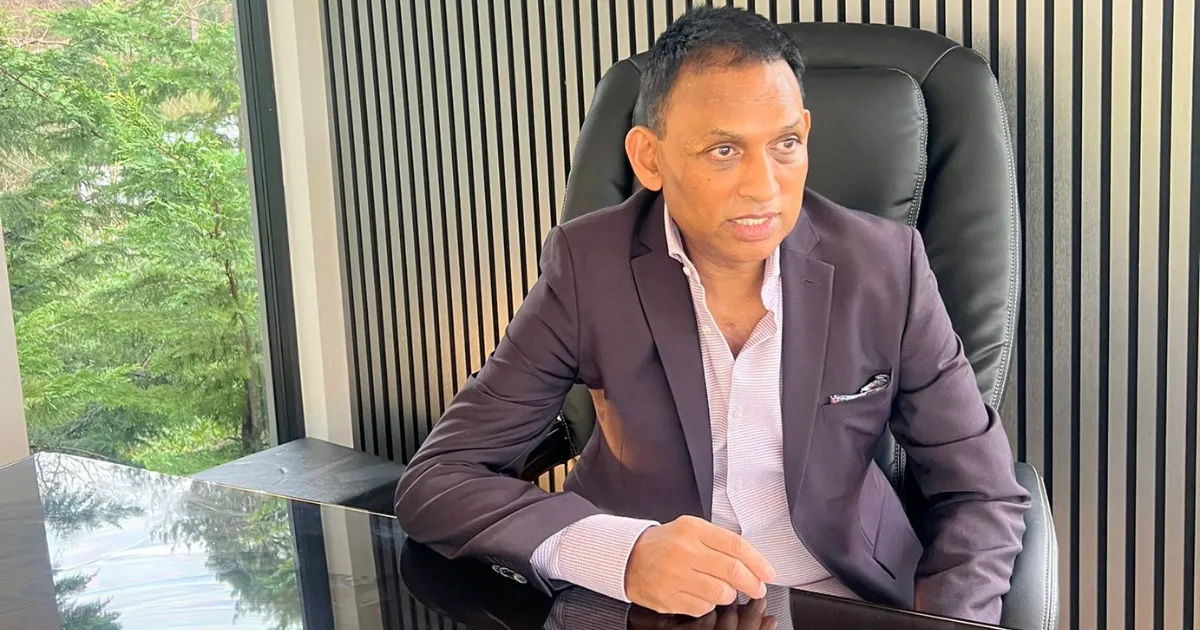
Understanding how care homes operate requires a closer look at the systems behind them. These systems are not just about paperwork or technology. They involve people, processes, and tools working together to ensure residents receive the best possible care. The Sheth Jeebun patient-centered care UK approach highlights the importance of aligning these systems with individual needs.
This guide explores the different systems used in managing care homes. It explains how they function, why they matter, and how they improve outcomes for residents and staff.
What Are Care Home Management Systems?
Care home management systems are organized methods used to run daily operations. These include both digital tools and manual processes. They help staff track health information, manage schedules, communicate effectively, and maintain safety standards.
At the heart of these systems is the goal of delivering high-quality care. The Sheth Jeebun patient-centered care UK model encourages care homes to design systems that focus on residents rather than routines.
Key Functions of Management Systems
Care home systems serve several important functions:
- Managing resident health records
- Scheduling staff and shifts
- Monitoring medication and treatments
- Ensuring regulatory compliance
- Supporting communication among staff and families
Each of these functions contributes to a well-organized care environment. When systems are efficient, staff can spend more time caring for residents.
Types of Systems Used in Care Homes
Different types of systems are used in care homes. Each one supports a specific aspect of care.
Electronic Health Record Systems (EHR)
EHR systems store medical information digitally. This includes diagnoses, medications, allergies, and care plans.
The Sheth Jeebun patient-centered care UK approach promotes accurate and up-to-date records. With EHR systems, caregivers can quickly access information and make informed decisions.
Benefits of EHR systems include:
- Reduced paperwork
- Improved accuracy
- Faster communication
- Better coordination among healthcare providers
Care Planning Systems
Care planning systems help staff create personalized care plans. These plans outline each resident’s needs, preferences, and goals.
The Sheth Jeebun patient-centered care UK philosophy strongly supports personalized care planning. It ensures that residents are treated as individuals rather than numbers.
Care plans are regularly updated to reflect changes in health or preferences.
Medication Management Systems
Medication management systems track prescriptions and administration times. They help prevent errors and ensure residents receive the correct medication.
The Sheth Jeebun patient-centered care UK model emphasizes safety and reliability in medication handling. These systems reduce risks and improve trust.
Features often include:
- Automated reminders
- Digital medication records
- Error alerts
Staff Management Systems
Staff management systems handle scheduling, attendance, and performance tracking. They ensure that enough staff are available at all times.
The Sheth Jeebun patient-centered care UK approach highlights the importance of well-supported staff. When staff are organized and not overworked, they provide better care.
Communication Systems
Communication systems connect staff, residents, and families. These may include apps, messaging platforms, or internal communication tools.
Clear communication is a key part of the Sheth Jeebun patient-centered care UK model. It helps build trust and ensures everyone is informed.
Importance of Patient-Centered Care
Patient-centered care focuses on the needs and preferences of residents. It goes beyond basic care and looks at emotional, social, and psychological well-being.
The Sheth Jeebun patient-centered care UK model is a strong example of this approach. It encourages care homes to:
- Respect individual choices
- Involve residents in decisions
- Provide compassionate care
- Maintain dignity and independence
Why It Matters
Patient-centered care improves quality of life. Residents feel valued and respected. Families feel reassured. Staff feel more connected to their work.
The Sheth Jeebun patient-centered care UK framework shows that systems should support people, not replace human interaction.
Role of Technology in Care Homes
Technology has transformed care home management. Digital systems make processes faster, safer, and more efficient.
The Sheth Jeebun patient-centered care UK approach integrates technology while maintaining a human touch.
Examples of Technology
- Digital care records
- Monitoring devices
- Automated alerts
- Telehealth services
These tools help staff respond quickly to changes in residents’ conditions.
Benefits of Technology
Technology offers many advantages:
- Improved accuracy
- Better communication
- Time savings
- Enhanced safety
The Sheth Jeebun patient-centered care UK model ensures technology is used to enhance, not replace, personal care.
Challenges in Managing Care Home Systems
Despite their benefits, care home systems can face challenges.
Common Issues
- Staff training difficulties
- Resistance to change
- Technical problems
- Data security concerns
The Sheth Jeebun patient-centered care UK approach encourages continuous improvement. Care homes must address these challenges to maintain high standards.
Overcoming Challenges
Solutions include:
- Providing proper training
- Choosing user-friendly systems
- Regular maintenance
- Strong data protection measures
By addressing these issues, care homes can improve efficiency and care quality.
Regulatory Compliance and Standards
Care homes must follow strict regulations. These ensure safety, quality, and accountability.
The Sheth Jeebun patient-centered care UK model aligns with these standards by focusing on ethical and high-quality care.
Key Areas of Compliance
- Health and safety
- Medication management
- Staff qualifications
- Record keeping
Management systems help care homes meet these requirements.
Staff Training and Development
Well-trained staff are essential for effective care. Systems should support training and professional growth.
The Sheth Jeebun patient-centered care UK approach emphasizes continuous learning. Staff must understand both technical systems and compassionate care practices.
Training Topics
- System usage
- Patient care techniques
- Communication skills
- Emergency procedures
Training improves confidence and performance.
Data Management and Security
Care homes handle sensitive information. Protecting this data is crucial.
The Sheth Jeebun patient-centered care UK model stresses ethical responsibility in data handling.
Key Practices
- Secure storage systems
- Access controls
- Regular audits
- Staff awareness
Good data management builds trust and ensures compliance.
Improving Quality of Care
Management systems play a major role in improving care quality.
The Sheth Jeebun patient-centered care UK framework focuses on continuous improvement.
Methods for Improvement
- Regular reviews
- Feedback from residents and families
- Performance monitoring
- Updating care plans
These steps help care homes adapt and grow.
Future Trends in Care Home Systems
The future of care home management is evolving.
The Sheth Jeebun patient-centered care UK approach will continue to guide innovations.
Emerging Trends
- Artificial intelligence
- Remote monitoring
- Personalized digital care plans
- Enhanced communication tools
These trends aim to improve efficiency and resident experience.
Conclusion
Managing a care home requires a combination of systems, skills, and compassion. From electronic health records to communication tools, each system plays a role in delivering safe and effective care.
The Sheth Jeebun patient-centered care UK model stands out as a guiding principle. It reminds us that systems should always serve people. Technology and processes must support dignity, individuality, and well-being.
By understanding and improving these systems, care homes can provide better care for residents and create a positive environment for staff. The future of care home management lies in balancing innovation with empathy, ensuring that every resident feels valued and supported.